
Introduction: Why You Still Feel Stuck (Even After Reading So Much)
You purchased the book.
You highlighted the sections that really spoke to you.
You even felt motivated for a few days.
And then… life happened.
You experienced stress again. Confusion came back. The feelings of “What am I doing with my life?” came back as well.
If this sounds familiar, you’re not alone.
Many people read self-help books because they desire an epiphany, but they end up feeling just as unaccomplished, if not more so. The fact is that the majority of self-help books do not achieve depth of impact necessary to create permanent transformation.
That’s where Christian self help books quietly stand apart.
Why Most Self Help Books Fail
Maybe it’s about time that we become honest: The majority of self-help books are not inherently flawed, they simply don’t go far enough in their scope of presentation.
1. They Focus Only on Surface-Level Change
Most books teach things like:
- Think positive
- Set goals
- Build habits
These are helpful—but they don’t address the heart.
If your internal struggles, such as fear, doubt, identity, and purpose are not being addressed and dealt with, no amount of external changing will give you long-term results.
2. They Rely Only on Human Strength
A lot of self-help advice sounds like this:
“You can do it. Just try harder.”
But what happens when you’re exhausted?
When anxiety hits at 2 AM…
When motivation disappears…
When life feels overwhelming…
Human strength has limits.
3. They Ignore Spiritual Needs
Here’s something most books miss:
You’re not just a body and mind—you’re also a soul.
Without addressing your spiritual side, growth feels incomplete. That’s why even after “improving,” something still feels missing.
4. They Offer Temporary Motivation, Not Transformation
Motivation fades.
Feelings change.
Without a deeper foundation, even the best advice becomes short-lived.
What Christian Self Help Books Do Differently

This is where Christian self help books bring something powerful and lasting.
They don’t just try to improve your life—they help transform it.
1. They Focus on Identity, Not Just Improvement
Instead of saying, “Fix yourself,” they ask:
“Who are you in God’s eyes?”
This shift changes everything.
When you understand your identity through faith:
- You stop chasing approval
- You gain inner confidence
- You find real purpose
This is the foundation of true Christian personal growth.
2. They Provide Biblical Guidance for Life
Rather than opinions, these books offer biblical guidance for life—wisdom that has helped people for generations.
This guidance helps you:
- Handle stress with peace
- Make better decisions
- Find clarity in confusion
It’s not just advice—it’s direction.
3. They Offer Strength Beyond Yourself
One of the biggest differences?
You’re not doing it alone.
Christian self help books remind you that:
- You have spiritual support
- You can rely on God’s strength
- You don’t have to carry everything yourself
This brings relief, especially during hard times.
4. They Focus on Healing, Not Just Success
Most books talk about success.
But what about:
- Emotional wounds?
- Past failures?
- Deep anxiety?
That’s where spiritual healing books rooted in faith make a difference.
They help you:
- Heal from within
- Let go of guilt
- Find peace, not just productivity
A Simple Real-Life Example
Let’s take two people:
Person A (Typical Self-Help Approach)
Rahul reads a book about productivity.
He creates a routine, wakes up early, and feels great for a week.
Then stress hits at work.
He loses motivation… and goes back to old habits.
Person B (Christian Self Help Approach)
David reads Christian self help books focused on faith and purpose.
He learns:
- His worth isn’t based on success
- He can rely on God during stress
- His life has meaning beyond achievement
When stress comes, he doesn’t collapse—he stays grounded.
How Christian Self Help Books Actually Help You (Step-by-Step)
Here’s how you can apply them in your daily life:
Step 1: Start With Reflection
Don’t just read—pause and think:
- What is this teaching me about my life?
- Where am I struggling?
Step 2: Connect It to Faith
Ask:
- What does God say about this situation?
- How can I trust Him here?
Step 3: Take Small Actions
Instead of big changes, start with:
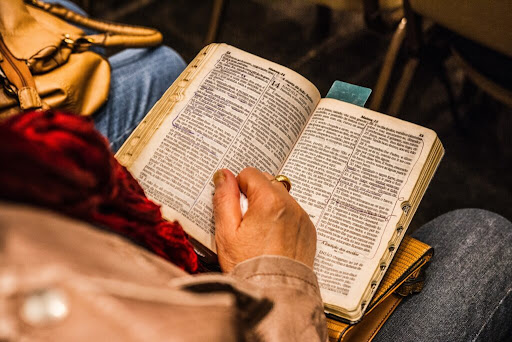
- 5 minutes of daily reading
- A short prayer
- One intentional mindset shift
Step 4: Stay Consistent, Not Perfect
Growth isn’t instant.
Consistency matters more than perfection.
Where “Seekers of the Way” Fits In
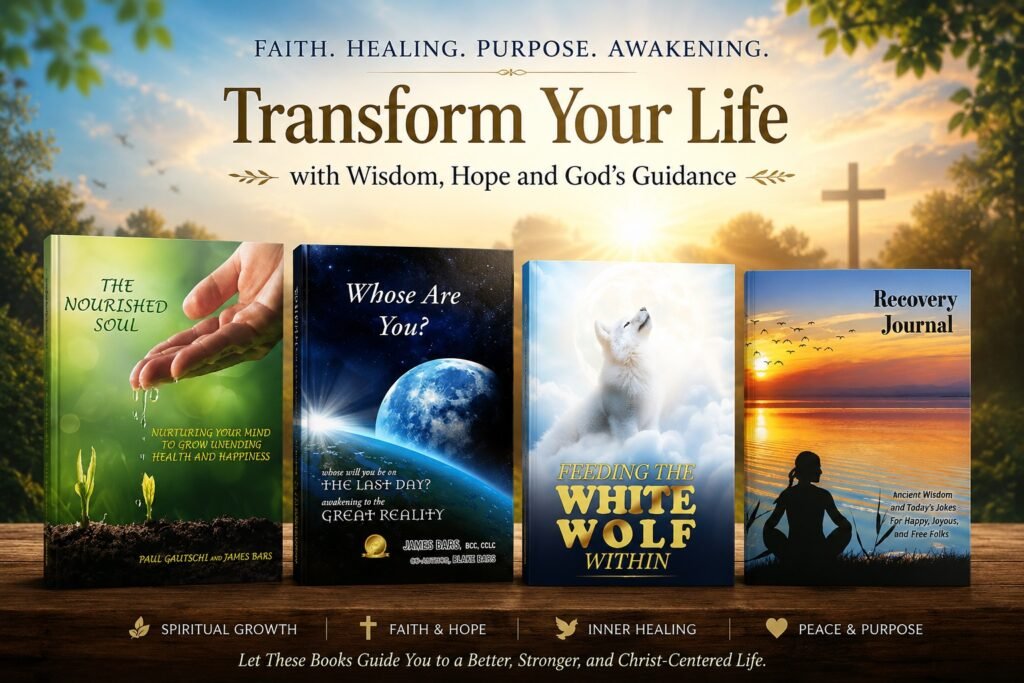
If you’re looking for meaningful, faith-driven growth, Seekers of the Way offers a collection of resources designed for real-life struggles.
It’s not about selling—it’s about helping people:
- Find clarity
- Grow spiritually
- Feel connected to something deeper
From Christian self help books to faith-inspired products, everything is centered around purpose and encouragement.
Pros and Cons: A Balanced View
Traditional Self Help Books
Pros:
- Easy to understand
- Practical tips
- Good for quick motivation
Cons:
- Short-term impact
- No spiritual depth
- Can feel repetitive
Christian Self Help Books
Pros:
- Deep, lasting transformation
- Focus on purpose and identity
- Combines faith + practical life guidance
Cons:
- Requires openness to faith
- Growth may feel slower (but deeper)
Conclusion: Real Change Starts From Within
If you’ve ever felt like self-help isn’t “working,” the problem isn’t you.
It’s the approach.
True change doesn’t come from pushing harder—it comes from going deeper.
Christian self help books offer something many people are quietly searching for:
- Peace in chaos
- Purpose in confusion
- Strength in weakness
And most importantly…
A sense that you’re not walking alone.
FAQs
1. What makes Christian self help books different from regular ones?
They focus on spiritual growth, identity, and faith, not just habits or success. This creates deeper and more lasting change.
2. Are Christian self help books only for religious people?
Not necessarily. Anyone open to faith-based self help and spiritual growth can benefit from them.
3. Can these books help with anxiety and stress?
Yes. Many spiritual healing books provide tools for peace, trust, and emotional stability through faith.
4. How often should I read Christian self help books?
Even 10–15 minutes daily can make a big difference when combined with reflection and application.
5. Where can I find good Christian self help books?
Platforms like Seekers of the Way offer carefully curated books and faith-based resources designed for real-life challenges.
A Gentle Next Step
If you’ve been searching for clarity, peace, or direction, start small.
Pick one book.
Read a few pages.
Let it speak to your heart.
And if you need a place to begin, Seekers of the Way is there to guide—not push—you forward.
Your journey doesn’t need to be perfect.
It just needs to begin.